

Introduction
Choosing the right windows is an important part of designing a comfortable and functional home. Beyond appearance, different window styles can affect natural ventilation, available space, ease of operation and overall energy performance.
For Australian homes, awning, casement and sliding windows are three popular options. Each offers different advantages depending on the room layout, ventilation requirements and architectural design.
So, how do you decide between them? Let’s explore their key differences and find out which window style may work best for your home.
Awning Windows: Practical Ventilation and Weather Protection
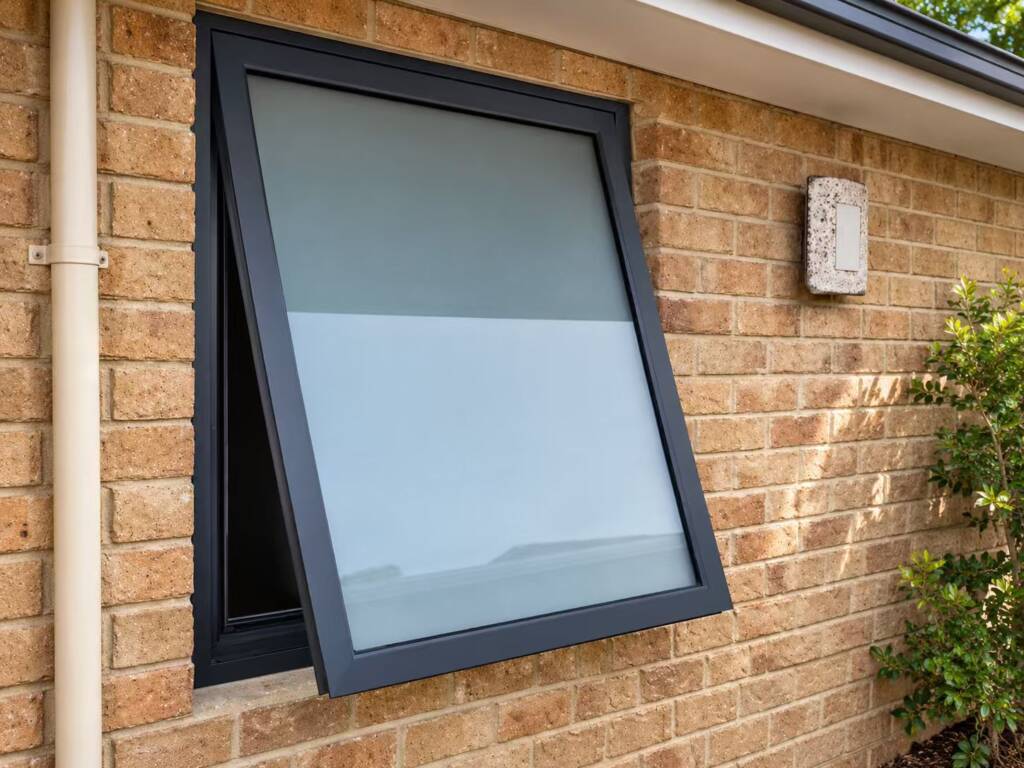
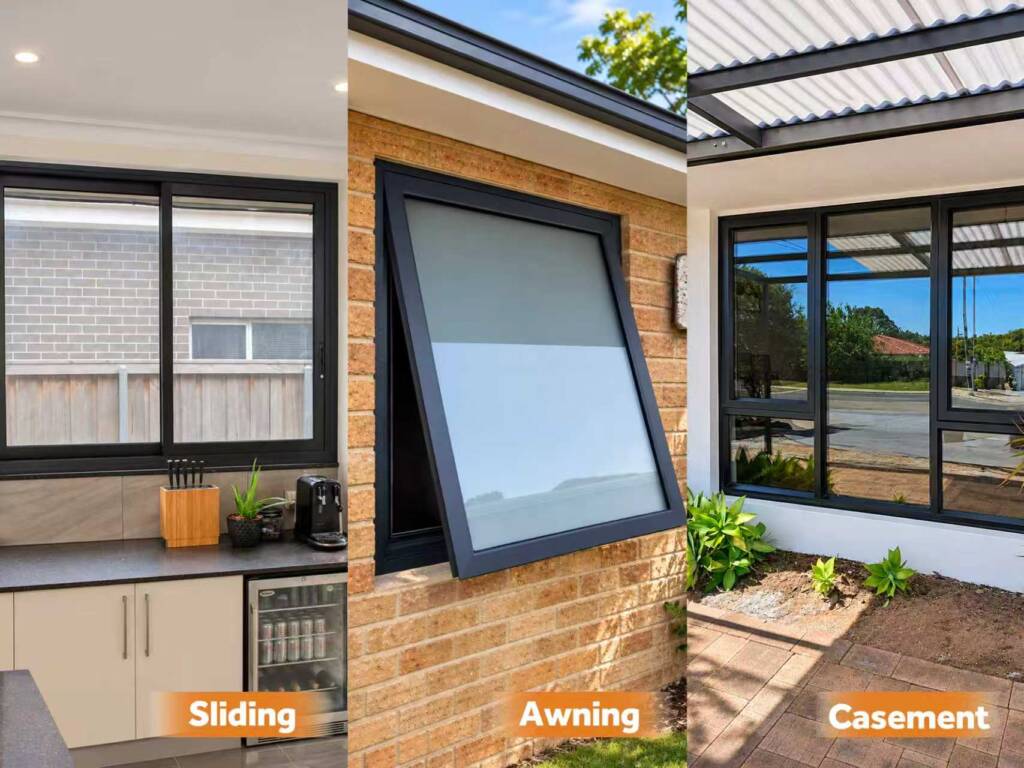
Awning windows are hinged at the top and open outward from the bottom. Their design allows fresh air to enter while the angled sash can provide some protection from light rain, depending on wind conditions.
One advantage of awning windows is their flexibility. They can be installed higher on walls to maintain privacy while still allowing ventilation. They are also commonly used in combination with fixed glass panels to create larger window designs.
Things to Consider
Awning windows open outward, so sufficient external clearance is needed. The opening size and window position should also be considered during the design stage.
Best For
Kitchens, bathrooms and bedrooms where controlled ventilation and privacy are important.
Casement Windows: Wide Openings and Natural Airflow
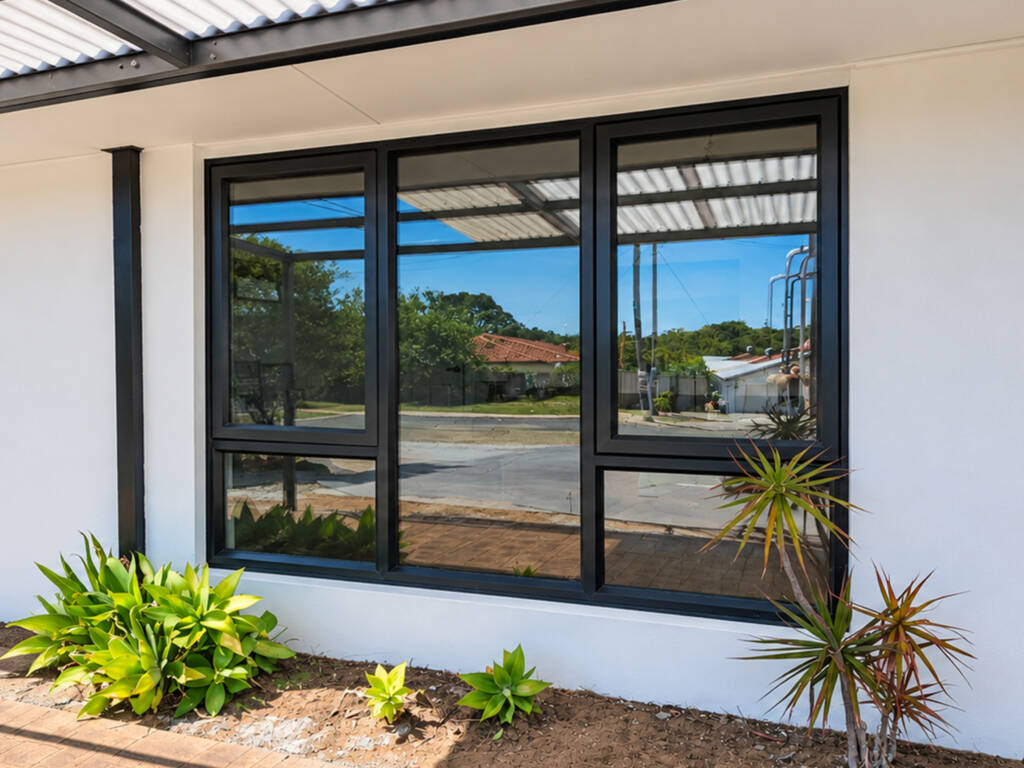
Casement windows are side-hinged and open outward, similar to a door. They can create a wide opening, allowing fresh air to flow into the room.
Compared with some other window styles, casement windows offer a generous opening area when fully opened. Their simple design also makes them suitable for both contemporary and traditional Australian homes.
Things to Consider
Like awning windows, casement windows require sufficient outdoor clearance. Their opening direction should be planned carefully, particularly near walkways, outdoor furniture or neighbouring structures.
Best For
Living rooms and bedrooms where natural ventilation and larger openings are priorities.
Sliding Windows: Space-Saving and Easy to Operate
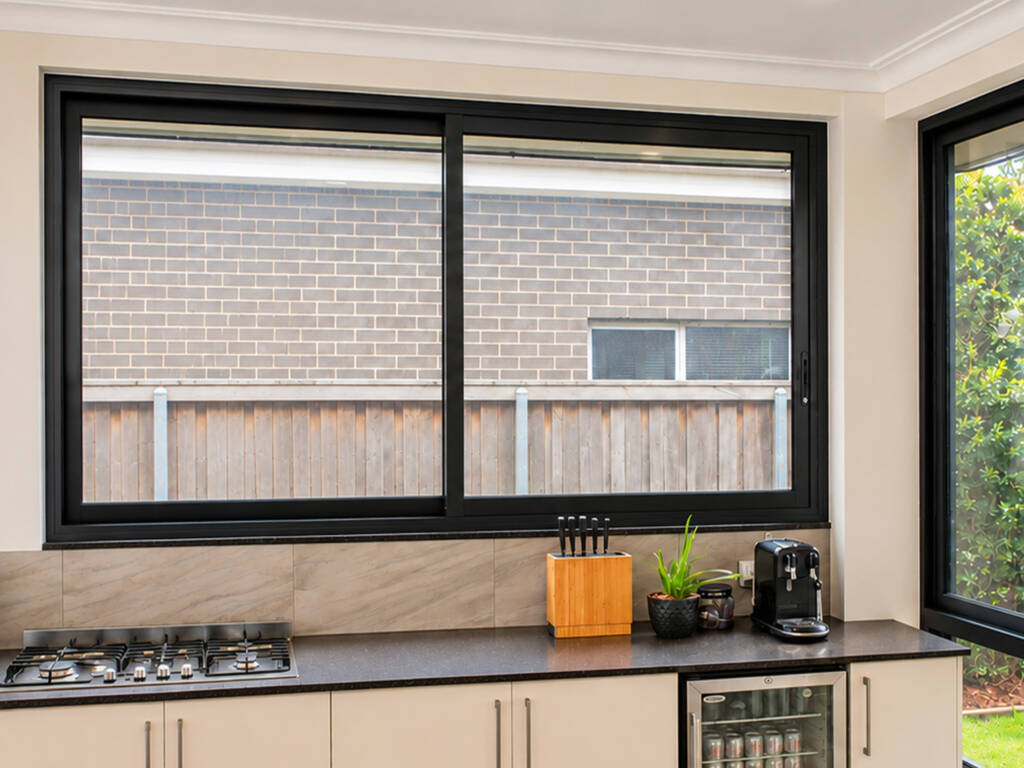
Sliding windows operate horizontally, with one or more sashes moving along a track. Unlike outward-opening windows, they do not require additional external clearance.
Their simple operation and clean appearance make them a popular choice for modern Australian homes. Sliding windows are particularly useful in areas close to patios, balconies or outdoor walkways.
Things to Consider
Sliding windows generally only open part of the overall window area at a time. Regular track cleaning is also important to maintain smooth operation.
Best For
Living areas, bedrooms and locations where external space is limited.
Awning vs Casement vs Sliding Windows: What’s the Difference?
Each window style has its own advantages. Comparing their main features can help you choose the right option for your home.
| Feature | Awning | Casement | Sliding |
| Opening Style | Top-hinged, outward | Side-hinged, outward | Horizontal sliding |
| Ventilation | Controlled airflow | Wide opening | Partial opening |
| Space | Requires clearance | Requires clearance | Space-saving |
| Operation | Crank or handle | Handle | Sliding track |
| Common Applications | Kitchen, bathroom | Living room, bedroom | Living room, bedroom |
It’s important to remember that actual window performance also depends on the frame system, glass configuration, hardware, seals and installation quality.
What Should You Consider When Choosing Windows?
Choosing a window style is only one part of the decision. For a new build or renovation, it’s also important to consider the following factors.
Ventilation and Room Layout
Consider how each room will be used and how much natural airflow is needed. For example, awning windows may suit bathrooms, while casement windows can provide larger openings in living spaces.
Double Glazing
Double glazed windows feature two panes of glass separated by a sealed cavity. Compared with standard single glazing, they can help reduce heat transfer and improve indoor comfort.
Thermal Break Aluminium Frames
Thermal break systems incorporate an insulating barrier within the aluminium frame to reduce heat transfer through the frame itself. Non-thermal break systems may also be suitable depending on project requirements and budget.
The right window configuration depends on your home’s orientation, local climate, design and energy-efficiency requirements.
Custom Aluminium Windows for Your Australian Home
At Sunny Windows & Doors, we offer custom-made aluminium windows and doors with double glazing, including awning, casement and sliding window systems.
With thermal break and non-thermal break options available, our range caters to different residential designs and project requirements.
From custom manufacturing to professional installation, we support homeowners throughout their window and door projects.
Planning a new build or renovation? Contact Sunny Windows & Doors for a free measure and quote.